Get Your AI Analysis
Personalized skincare insights
Discover your perfect skincare routine with our AI-powered analysis. Get personalized recommendations for glowing, healthy skin.
Start AnalysisFollow Us
Stay updated with the latest skincare tips, trends, and expert advice.
Why Knowing Your Skin Type Changes Everything
You buy products based on glowing reviews, trendy ingredients, or beautiful packaging—only to find they don't work for you. The serum that transformed someone else's skin makes yours greasy. The moisturizer everyone raves about leaves you flaky. The cleanser with thousands of five-star ratings triggers breakouts.
The problem isn't the products—it's that they weren't designed for your specific skin type. Understanding whether you have oily, dry, combination, sensitive, or normal skin is the foundation of effective skincare. This knowledge determines which products work, which ingredients to seek out, which to avoid, and how to adjust your routine seasonally.
Determining your skin type doesn't require expensive consultations or high-tech analysis. Simple at-home tests reveal everything you need to know in under an hour, and understanding the nuances helps you make smarter product choices for life.
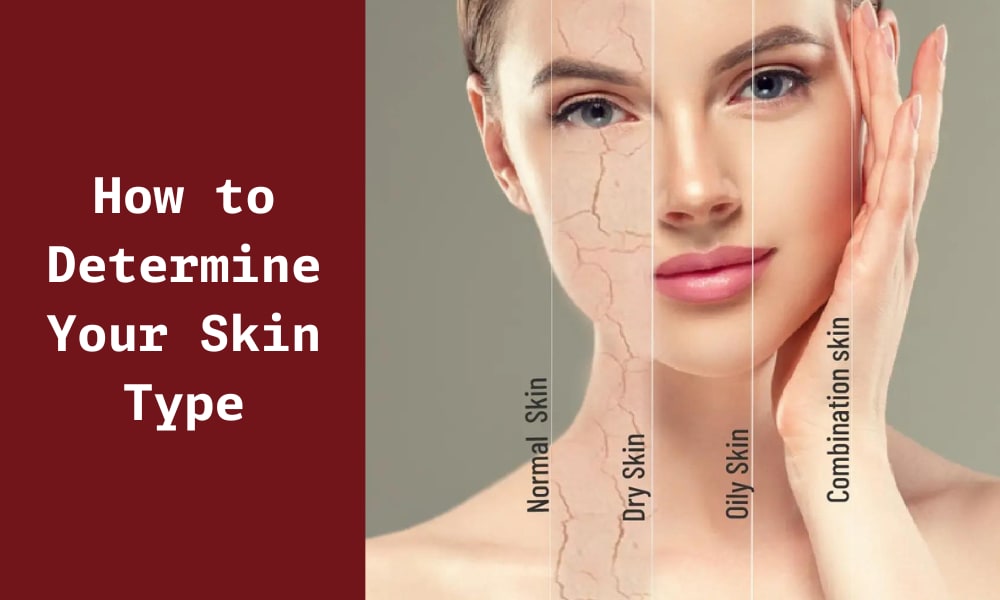
The Five Primary Skin Types Explained
Before testing, understand what you're identifying:
Oily Skin
Characteristics: Produces excess sebum throughout the day, enlarged visible pores, shiny T-zone (forehead, nose, chin), makeup slides off, prone to blackheads and breakouts.
Advantages: Ages more slowly (oil provides natural moisture barrier), better protected from environmental damage, less prone to fine lines.
Challenges: Acne and clogged pores, makeup longevity, midday shine, need for mattifying products.
Dry Skin
Characteristics: Lacks oil (lipids), feels tight especially after cleansing, rough or flaky texture, fine lines more visible, small almost invisible pores, dull appearance.
Advantages: Less prone to acne and breakouts, smaller pores, matte finish naturally.
Challenges: Premature aging appearance, discomfort and tightness, makeup looks cakey, sensitive to harsh products, needs rich moisturizers. See our dry skin guide for detailed treatment strategies.
Combination Skin
Characteristics: Oily T-zone (forehead, nose, chin) with normal or dry cheeks, different needs in different areas, seasonal variations common.
Advantages: Balanced overall, typically not as extreme as pure oily or dry, versatile with products.
Challenges: Requires customized approach, can't use same products on entire face, seasonal adjustments needed.
Normal Skin
Characteristics: Balanced oil production, smooth texture, small pores, no extreme sensitivity, minimal breakouts, even tone, comfortable feel.
Advantages: Most products work well, easy to maintain, minimal issues, ages gracefully with basic care.
Challenges: Can become complacent (neglecting sunscreen/prevention), still needs proper care, seasonal changes can shift it temporarily.
Sensitive Skin
Characteristics: Reacts easily to products or environment, redness and irritation common, stinging or burning with many products, may have underlying conditions (rosacea, eczema).
Note: Sensitive is more a condition than a type—you can have oily sensitive skin, dry sensitive skin, etc.
Advantages: Forces you to use gentler, often better products, makes you more aware of ingredients.
Challenges: Limited product options, higher costs for hypoallergenic options, requires careful testing, can worsen with stress or environment. Check our sensitive skin guide for detailed management strategies.
Test #1: The Bare-Faced Method (Most Accurate)
Time Required: 30 minutes
How It Works: Allows your skin to return to its natural state without product interference.
Steps:
Evening Cleanse: Wash your face with a gentle, pH-balanced cleanser. Don't use harsh soaps or acne treatments.
Pat Dry: Gently pat with clean towel. Don't rub.
Leave Bare: Apply absolutely nothing—no toner, serum, moisturizer, or treatments.
Wait 30 Minutes: Let your skin return to its natural state. During this time, avoid touching your face.
Assess: After 30 minutes, look in a mirror with good lighting and gently touch your skin.
Results Interpretation:
Oily Skin: Entire face feels slick or greasy, visible shine on forehead, nose, cheeks, chin, skin feels comfortable with no tightness
Dry Skin: Feels tight, uncomfortable, possibly itchy, looks dull or flaky, feels rough to touch, no shine anywhere
Combination Skin: T-zone (forehead, nose, chin) is shiny/oily while cheeks feel normal or slightly tight, different textures in different areas
Normal Skin: Feels comfortable with no tightness, slight healthy glow but not greasy, smooth texture throughout
Sensitive Skin Indicators: Redness appearing, feels irritated from cleansing alone, stinging or burning sensation
Test #2: The Blotting Sheet Test (Quick Assessment)
Time Required: 2 hours (but passive)
How It Works: Measures oil production during normal skin function.
Steps:
Morning: Start with freshly washed face, no products applied.
Wait: Allow 2 hours to pass with no products.
Blot: Press blotting papers or tissue against different areas of your face (forehead, nose, cheeks, chin).
Hold to Light: Look at the papers against light to see oil saturation.
Results Interpretation:
Oily Skin: All areas show significant oil saturation, paper is translucent from absorbed oil
Dry Skin: Little to no oil on any blotting paper, papers remain opaque
Combination Skin: Significant oil on T-zone papers, minimal or no oil on cheek papers
Normal Skin: Small amount of oil on T-zone, very minimal or no oil on cheeks
Test #3: The Wash & Wait Test (Comprehensive)
Time Required: Overnight + morning assessment
How It Works: Tests how your skin behaves without overnight moisturization.
Steps:
Evening Routine: Cleanse face gently, no products after.
Sleep: Go to bed with bare face.
Morning Assessment: Before washing or touching face, assess in mirror.
Results Interpretation:
Oily Skin: Woke up with shiny face, oily feel everywhere, possibly new blackheads or breakouts
Dry Skin: Face feels extremely tight, visibly flaky or scaly patches, uncomfortable pulling sensation
Combination Skin: Oily T-zone especially nose, cheeks feel normal or slightly dry
Normal Skin: Feels comfortable, slight oiliness on nose only, otherwise balanced
Understanding Your Results: Beyond the Basic Type
Dehydrated vs. Dry (Critical Distinction)
Many people mistake dehydrated skin for dry skin—they're different:
Dry Skin (Lacks Oil): Genetic consistent condition, doesn't produce enough sebum, always feels dry regardless of water intake, needs oil-based products, improves with rich creams and oils.
Dehydrated Skin (Lacks Water): Temporary condition affects any skin type, can be oily AND dehydrated simultaneously, feels tight despite looking oily, shows dullness and fine lines, needs water-based hydration, improves with humectants (hyaluronic acid, glycerin).
Test for Dehydration: Pinch skin on cheek. If fine lines appear or skin doesn't bounce back quickly, you're dehydrated.
Treatment Difference: Dry skin needs rich creams, facial oils, occlusives. Dehydrated skin needs hydrating toners, hyaluronic acid, water-based serums.
Skin Type Can Change
Your skin type isn't fixed forever:
Age-Related Changes: Teens/20s often oilier, 30s transitions often becomes more normal, 40s+ oil production decreases tends toward dry, post-menopause significantly drier.
Seasonal Variations: Summer more oily larger pores, winter drier more sensitive, humidity affects oil production, indoor heating/AC impacts hydration.
Lifestyle Factors: Stress increases oil production, diet high-glycemic foods may increase oil, medications some cause dryness or oiliness, skincare over-treatment can damage barrier.
Reassess: Test your skin type seasonally (every 3-4 months) to adjust routine.
Building Your Routine Based on Results
For Oily Skin
Morning Routine: Gel or foaming cleanser (salicylic acid optional) → Niacinamide serum 5-10% (regulates oil) → Lightweight gel moisturizer (oil-free) → Mattifying sunscreen SPF 30-50
Evening Routine: Oil cleanser (yes, even for oily skin—oil dissolves oil) → Gel cleanser → BHA exfoliant 2% (2-3x weekly) → Retinoid (if using, alternate with BHA) → Lightweight moisturizer
Key Ingredients: Salicylic acid, niacinamide, retinoids, clay masks, zinc.
Avoid: Heavy oils, rich creams, coconut oil, silicone-heavy products. Explore our oily skin solutions for comprehensive management.
For Dry Skin
Morning Routine: Water splash or gentle cream cleanser → Hyaluronic acid serum (on damp skin) → Rich cream moisturizer with ceramides → Moisturizing sunscreen SPF 30-50
Evening Routine: Cleansing balm or oil → Cream cleanser (brief, gentle) → Hydrating toner (optional) → Treatment serum (retinoid, vitamin C) → Rich night cream → Facial oil as final seal
Key Ingredients: Ceramides, hyaluronic acid, squalane, peptides, shea butter.
Avoid: Harsh cleansers, alcohol, fragrance, high-percentage acids initially.
For Combination Skin
Approach: Zone treatment or versatile middle-ground products.
Morning Routine: Gentle gel-cream cleanser → Niacinamide serum (works for all zones) → Gel moisturizer on T-zone cream on cheeks OR gel-cream hybrid everywhere → Balanced sunscreen SPF 30-50
Evening Routine: Oil cleanser → Gel cleanser → Treatment (retinoid or acid) → Targeted moisturizing: Light on T-zone richer on cheeks
Strategy: Focus on barrier support and oil regulation rather than trying to "fix" combination nature.
For Normal Skin
Morning Routine: Gentle cleanser (or water if not oily) → Antioxidant serum (vitamin C) → Moisturizer (medium weight) → Sunscreen SPF 30-50
Evening Routine: Gentle cleanser (double cleanse if wearing sunscreen) → Treatment (retinoid or targeted serum) → Moisturizer
Focus: Prevention (sunscreen, antioxidants, retinoids) rather than correction.
For Sensitive Skin
Morning Routine: Water splash (minimal cleansing) → Calming serum (centella, oatmeal) → Fragrance-free barrier cream → Mineral sunscreen (zinc oxide only)
Evening Routine: Micellar water or gentle balm → Minimal cream cleanser → Barrier repair serum → Rich protective moisturizer
Key Ingredients: Centella asiatica, colloidal oatmeal, ceramides, panthenol, niacinamide (if tolerated).
Avoid: Fragrance, essential oils, alcohol, harsh actives until barrier is strong.
Common Skin Type Mistakes
Mistake #1: Self-diagnosing based on one factor. Reality: Large pores can exist without oiliness. Assess multiple factors.
Mistake #2: Treating dehydration as dryness. Reality: Oily dehydrated skin needs water-based hydration not oil.
Mistake #3: Assuming oily skin doesn't need moisturizer. Reality: All skin types need moisture. Oily skin needs lightweight oil-free options.
Mistake #4: Over-treating based on incorrect type. Reality: Over-exfoliating damages barrier causing compensatory oil production.
Mistake #5: Not adjusting for changes. Reality: Skin changes with seasons age stress hormones. Reassess regularly.
Creating Your Personalized Protocol
This Week: Perform the bare-faced test tonight, do the blotting sheet test tomorrow, complete the overnight test this weekend, document your results.
This Month: Audit current products—do they match your type? Replace products not suited to your type, build appropriate routine, track skin response.
Ongoing: Reassess seasonally, note changes with age hormones lifestyle, adjust routine accordingly.