Get Your AI Analysis
Personalized skincare insights
Discover your perfect skincare routine with our AI-powered analysis. Get personalized recommendations for glowing, healthy skin.
Start AnalysisFollow Us
Stay updated with the latest skincare tips, trends, and expert advice.
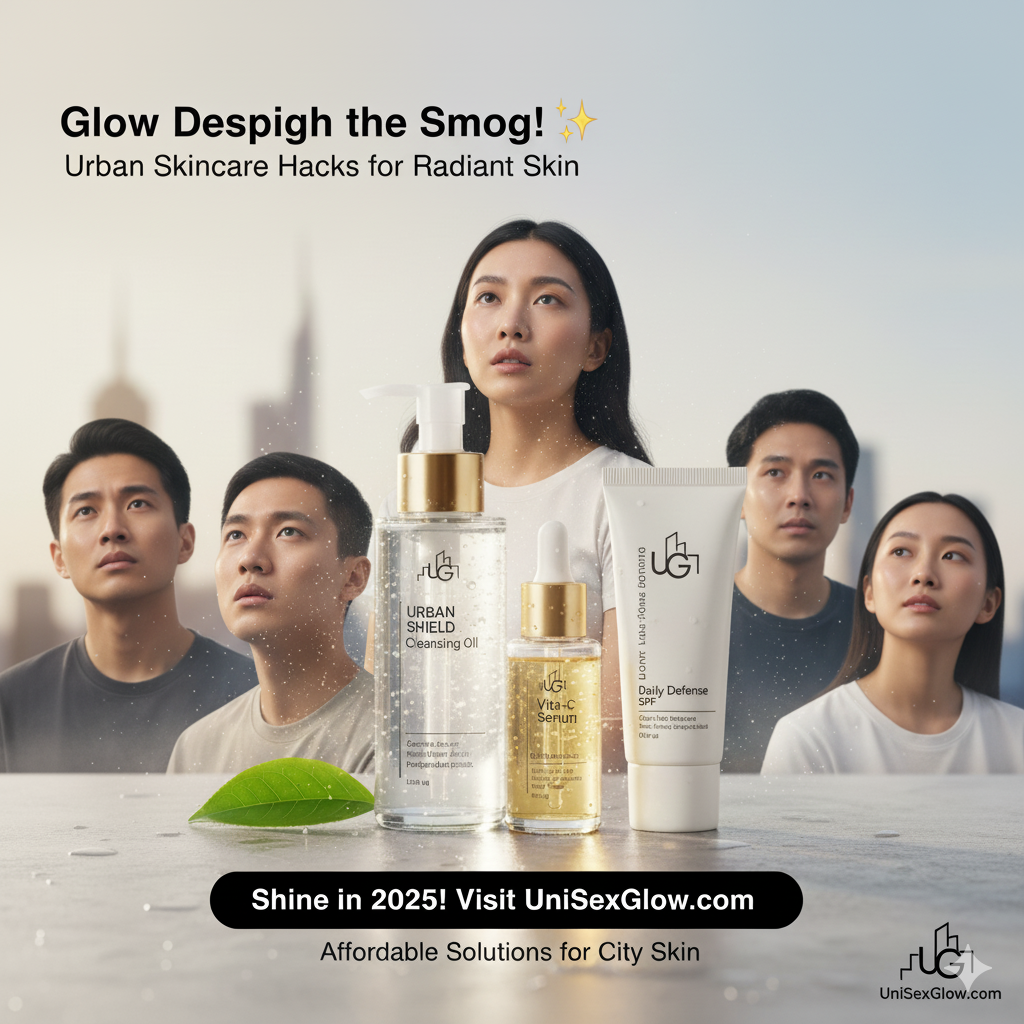
Your Skin's Silent Enemy: Air Pollution in 2025
You wake up, check the air quality index, and see "moderate" or "unhealthy for sensitive groups." You might adjust your outdoor plans, but what about your skin? Every breath of polluted air your lungs inhale, your skin is absorbing particulate matter, heavy metals, and toxic chemicals that accelerate aging, trigger inflammation, and compromise your protective barrier.
Air pollution isn't just an environmental or respiratory concern—it's a major skincare crisis. Studies show that people living in high-pollution areas experience 20% more visible signs of aging, including pigmentation, fine lines, and loss of firmness. In 2025, as urbanization increases and climate change impacts air quality, protecting your skin from pollution is no longer optional—it's essential.
The good news? Simple, strategic skincare routine adjustments can create a protective shield against pollution's damaging effects. Let's explore practical hacks that work in real life, not just in laboratory conditions.
Understanding Air Pollution's Impact on Your Skin
What's Actually Hitting Your Face
Air pollution isn't a single substance—it's a complex mixture of harmful particles and gases:
Particulate Matter (PM2.5 and PM10): Microscopic particles from vehicle exhaust, industrial emissions, and wildfires. PM2.5 particles are 30 times smaller than your pores, allowing them to penetrate deep into skin layers.
Ground-Level Ozone: Formed when sunlight reacts with pollutants. Depletes skin's antioxidant reserves and accelerates oxidative stress.
Nitrogen Dioxide (NO2): From car exhaust and combustion. Triggers inflammatory responses and compromises skin barrier.
Volatile Organic Compounds (VOCs): From paints, cleaners, and industrial processes. Disrupt skin's natural functions and trigger sensitivity.
Heavy Metals (Lead, Cadmium, Arsenic): Accumulate in skin tissues, generating free radicals and causing long-term damage.
Polycyclic Aromatic Hydrocarbons (PAHs): From combustion processes. Linked to pigmentation disorders and skin cancer.
How Pollution Damages Your Skin
Oxidative Stress: Pollution particles generate free radicals—unstable molecules that steal electrons from your healthy skin cells, triggering a cascade of damage to DNA, proteins, and lipids.
Barrier Disruption: Pollutants weaken your stratum corneum (outer protective layer), allowing moisture loss and making skin more vulnerable to irritants and allergens.
Inflammation: Your skin recognizes pollution as a threat, triggering inflammatory responses that manifest as redness, sensitivity, and accelerated aging.
Melanin Overproduction: Pollution stimulates melanocytes, causing uneven pigmentation, dark spots, and melasma.
Collagen Breakdown: Free radicals from pollution activate enzymes (MMPs) that degrade collagen and elastin, leading to sagging and wrinkles.
Pore Enlargement: Pollution particles mix with sebum, creating larger comedones and making pores appear more prominent.
Visible Signs You're Being Affected
Increased dullness and sallow complexion
More frequent breakouts, especially blackheads
Premature fine lines around eyes and mouth
Uneven skin tone and new pigmentation
Increased redness and sensitivity
Dehydrated feeling despite moisturizing
Rough, uneven texture
Essential Anti-Pollution Skincare Hacks for 2025
Hack #1: Double Cleanse Every Single Night
Why It Works: Pollution particles bind to sebum and stick to your skin throughout the day. A single cleanse removes only surface dirt, leaving embedded pollutants to wreak havoc overnight.
The Method:
Step 1: Oil-Based Cleanser (60 seconds)
Apply to dry skin, massaging gently
Oil dissolves oil-based pollutants, sebum, and sunscreen
Don't skimp—use enough to cover your entire face
Include jawline, hairline, and neck
Use gel, cream, or foam cleanser depending on skin type
Removes water-based pollutants and residual oil cleanser
Use lukewarm water (hot water strips barrier)
Pat dry gently with clean towel
Frequency: Every night without exception. Morning cleansing can be just water or a gentle cleanser for most skin types.
Hack #2: Build an Antioxidant Defense System
Why It Works: Antioxidants neutralize free radicals before they damage your skin cells, providing a protective shield against pollution's oxidative stress.
Morning Antioxidant Cocktail:
Vitamin C (L-Ascorbic Acid):
Use 10-20% concentration
Neutralizes free radicals
Brightens and evens tone
Enhances sunscreen effectiveness
Apply immediately after cleansing on damp skin
Often combined with vitamin C (synergistic effect)
Lipid-soluble antioxidant protecting cell membranes
Prevents pollution-induced oxidative damage
Strengthens skin barrier
Reduces inflammation from pollution
Regulates sebum production (preventing pollution-clogged pores)
Use 5-10% concentration
Stabilizes vitamins C and E
Provides additional photoprotection
Neutralizes free radicals from UV and pollution
2025 Bonus: Look for products with "anti-pollution" claims containing urban defense complexes or pollution shield technology.
Hack #3: Create a Physical Barrier with the Right Moisturizer
Why It Works: Occlusives and film-forming ingredients create a protective layer that prevents pollution particles from penetrating while locking in hydration.
Key Ingredients to Look For:
Silicones (Dimethicone, Cyclomethicone):
Create breathable barrier on skin surface
Prevent pollution adhesion without clogging pores
Provide smooth, silky finish
Crosslinked polymers that form protective mesh
Allow skin to breathe while blocking particulate matter
Found in specialized anti-pollution products
Repair and strengthen skin barrier
Prevent trans-epidermal water loss (TEWL)
Make skin more resilient to environmental stressors
Hydrates without heaviness
Plumps skin, making it more resistant to damage
Binds 1000x its weight in water
Oily Skin: Lightweight gel with dimethicone
Dry Skin: Rich cream with ceramides and oils
Combination: Gel-cream hybrid
Sensitive: Minimal ingredient list, fragrance-free
Hack #4: Never Skip Sunscreen (SPF + Pollution Protection)
Why It Works: Pollution and UV radiation have a synergistic damaging effect—together, they're worse than either alone. Sunscreen protects against both.
The 2025 Sunscreen Standard:
SPF 30-50: Blocks UVB rays that burn and damage PA++++ Rating: Maximum UVA protection Broad-Spectrum: Protects against full UV range Antioxidants: Added vitamins C, E, or niacinamide Anti-Pollution Claims: Some formulas specifically tested against pollution
Optimal Formulas:
Mineral sunscreens with iron oxides (block visible light too)
Hybrid formulas combining mineral and chemical filters
Tinted versions provide additional barrier
Lightweight textures encourage reapplication
Apply ¼ teaspoon for face (more than you think)
Wait 2-3 minutes for absorption before going outside
Reapply every 2 hours outdoors, once midday indoors
Don't forget ears, neck, and décolletage
Hack #5: Weekly Deep Cleansing with Clay Masks
Why It Works: Clay minerals have negative electrical charge that attracts and binds positively charged pollution particles, heavy metals, and toxins, drawing them out of pores.
Best Clay Types:
Kaolin (White Clay):
Gentlest option
Suitable for sensitive and dry skin
Absorbs excess oil without over-drying
Most powerful absorbent
Best for oily and acne-prone skin
Excellent for pollution extraction
Moderate absorption
Rich in minerals
Good for normal to oily skin
Gentle yet effective
Good for all skin types
Improves skin texture
Cleanse face first (don't apply to dirty skin)
Apply even layer avoiding eye area
Leave for 5-10 minutes (don't let fully dry and crack)
Rinse with lukewarm water using gentle circular motions
Follow immediately with hydrating toner and moisturizer
2025 Enhancement: Look for clay masks with added activated charcoal, moringa, or spirulina for enhanced pollution removal.
Hack #6: Boost Cell Turnover with Gentle Exfoliation
Why It Works: Pollution accumulates in dead skin cells on your surface. Regular exfoliation removes these compromised cells while promoting fresh, healthy cell turnover.
Chemical Exfoliation (Preferred):
AHAs (Glycolic, Lactic, Mandelic Acid):
Water-soluble, work on surface
Remove dead skin cells revealing fresh layer
Improve texture and brightness
Start with 5-10%, use 2-3x weekly
Oil-soluble, penetrates pores
Clears pollution-clogged pores
Reduces inflammation
Use 2% concentration 2-3x weekly
Larger molecules, gentler
Good for sensitive skin
Provide antioxidant benefits
Can use daily
Soft washcloth or konjac sponge
Gentle circular motions
1-2x weekly maximum
Never use harsh scrubs with rough particles
Important: Always use sunscreen during the day when using any exfoliants—they increase sun sensitivity.
Hack #7: Indoor Air Quality Matters Too
Why It Works: Indoor air can be 2-5 times more polluted than outdoor air due to VOCs from furniture, cleaning products, and lack of ventilation.
Home Environment Hacks:
Air Purifiers with HEPA Filters:
Remove 99.97% of particles 0.3 microns or larger
Place in bedroom and main living area
Run continuously, especially while sleeping
Replace filters according to manufacturer schedule
Maintain 40-50% humidity
Prevents skin dehydration
Helps barrier function optimally
Clean weekly to prevent mold
Snake plants (absorb toxins, release oxygen at night)
Peace lilies (remove VOCs)
Spider plants (remove formaldehyde)
Aloe vera (removes formaldehyde and benzene)
Use natural cleaning products
Avoid air fresheners and scented candles
Choose low-VOC paints and furniture
Ventilate when using any chemicals
Less friction than cotton
Doesn't absorb skincare products
Reduces compression wrinkles
Wash weekly in hot water
Hack #8: Targeted Treatments for Pollution Damage
For Hyperpigmentation from Pollution:
Evening Routine Add-Ons:
Tranexamic Acid 2-5%: Reduces melanin production triggered by pollution
Alpha Arbutin 2%: Gentle brightener that fades existing spots
Retinoids: Increase cell turnover, fade pigmentation over time
Azelaic Acid 10-20%: Multi-tasker reducing pigmentation and inflammation
For Pollution-Induced Sensitivity:
Calming Ingredients:
Centella Asiatica (Cica): Repairs barrier, reduces inflammation
Colloidal Oatmeal: Soothes irritation, protects barrier
Panthenol (Vitamin B5): Hydrates and heals
Allantoin: Soothes and promotes healing
Anti-Aging Powerhouses:
Retinoids: Gold standard for collagen stimulation
Peptides: Signal skin to produce more collagen
Growth Factors: Support cellular repair mechanisms
Resveratrol: Powerful antioxidant protecting from environmental damage
Hack #9: Strategic Timing of Outdoor Activities
Why It Works: Pollution levels fluctuate throughout the day. Strategic timing reduces exposure.
Best Times for Outdoor Activities:
Early Morning (6-8 AM): Lowest pollution levels before rush hour
Late Evening (After 7 PM): Traffic has decreased, settling has occurred
Rush Hours (7-9 AM, 5-7 PM): Peak traffic pollution
Midday (12-2 PM): Ground-level ozone formation at highest
High-Pollution Days: Check local AQI and postpone non-essential outdoor activities
0-50 (Good): Safe for outdoor activities
51-100 (Moderate): Acceptable for most, sensitive individuals take precautions
101-150 (Unhealthy for Sensitive): Limit prolonged outdoor exertion
151+ (Unhealthy): Everyone should limit outdoor exposure
Hack #10: Nutrition and Hydration from Within
Why It Works: Your skin's defense against pollution starts internally. Proper nutrition provides building blocks for repair and antioxidant reserves.
Anti-Pollution Diet:
High-Antioxidant Foods:
Berries: Blueberries, strawberries, raspberries (anthocyanins)
Leafy Greens: Spinach, kale (vitamins A, C, E, K)
Fatty Fish: Salmon, mackerel (omega-3s reduce inflammation)
Nuts and Seeds: Almonds, walnuts, flax seeds (vitamin E, selenium)
Green Tea: EGCG antioxidants protect from oxidative stress
Dark Chocolate: Flavonoids (70%+ cacao)
Tomatoes: Lycopene protects from UV and pollution
Citrus Fruits: Vitamin C for collagen synthesis
Vitamin C: 500-1000mg daily
Vitamin E: 400 IU daily
Omega-3 Fatty Acids: 1000-2000mg EPA/DHA daily
Glutathione: Master antioxidant, 250-500mg daily
NAC (N-Acetyl Cysteine): Supports glutathione production
2-3 liters water daily: Flushes toxins, maintains barrier function
Electrolytes: Add pinch of sea salt or electrolyte powder
Herbal Teas: Green tea, rooibos, chamomile for additional antioxidants
Limit Alcohol: Dehydrates and compromises barrier
Hack #11: Post-Exposure Emergency Protocol
Why It Works: Quick intervention after high-pollution exposure minimizes damage.
Immediately After Exposure (Within 1-2 hours):
Step 1: Remove Pollution Quickly
Micellar water wipe-down if can't do full cleanse
Don't wait until evening—pollution continues damaging while on skin
Apply vitamin C or antioxidant serum immediately
Neutralizes free radicals before they cause lasting damage
Layer hydrating serum + barrier repair moisturizer
Seal with facial oil if very dry
Drink large glass of water with lemon
Take antioxidant supplement if you use them
Eat antioxidant-rich snack
Extra-thorough double cleanse
Apply overnight mask with anti-pollution ingredients
Use humidifier while sleeping
Hack #12: Quarterly Professional Treatments
Why It Works: Professional treatments provide deeper cleansing and repair than home care alone.
Recommended Treatments:
Hydrafacial or Aquaglow:
Vacuums out pollution from pores
Infuses antioxidant serums
Every 6-8 weeks
Removes pollution-damaged surface cells
Promotes fresh cell turnover
Every 4-6 weeks (depending on strength)
Red light: Stimulates collagen, reduces inflammation
Blue light: Kills acne bacteria from pollution-clogged pores
Weekly or at-home device
Delivers concentrated oxygen to combat pollution's oxidative stress
Immediately brightens and plumps
Monthly maintenance
Stimulates collagen production
Enhances product absorption
Quarterly for prevention, more frequently for repair
Building Your Anti-Pollution Routine
Complete Morning Protocol (10 minutes)
Gentle cleanse (or just water if skin is dry) - 1 min
Antioxidant serum (Vitamin C + E) - 1 min
Niacinamide serum - 1 min
Anti-pollution moisturizer with silicones - 2 min
Sunscreen SPF 50 with antioxidants - 2 min
Wait for absorption before going outside - 3 min
Complete Evening Protocol (12 minutes)
Oil cleanser massage - 2 min
Water-based cleanser - 1 min
Exfoliating acid (2-3x weekly) - 1 min
Targeted treatment (retinoid, brightening serum) - 1 min
Hydrating serum (hyaluronic acid) - 1 min
Rich moisturizer with barrier repair - 2 min
Eye cream (optional) - 1 min
Facial oil or sleeping mask (if needed) - 1 min
Neck and décolletage care - 2 min
Weekly Additions
2-3x: Chemical exfoliation (acid toners or serums)
1-2x: Clay mask for deep pore cleansing
1x: Hydrating sheet mask or overnight mask
Daily: Check AQI and adjust outdoor plans accordingly
Monthly Reviews
Assess air quality trends in your area
Take progress photos in consistent lighting
Adjust routine based on seasonal changes
Replace HEPA filters in air purifiers
Deep clean humidifiers
Lifestyle Integration for Maximum Protection
When Commuting:
Close car windows, use recirculated air
Walk on less-trafficked streets when possible
Consider N95 mask on very high pollution days
Cleanse face as soon as you get home/work
Request desk away from windows facing busy streets
Use desktop air purifier if allowed
Keep oil-absorbing sheets and cleansing wipes in desk
Midday antioxidant mist refresh
Work out indoors on high-pollution days
Choose early morning outdoor activities
Avoid running on busy roads
Cleanse immediately after sweating (opens pores = more pollution penetration)
Pack travel-size double cleanse products
Bring antioxidant serum and sheet masks
Research air quality at destination
Request hotel rooms on higher floors (lower pollution)
Special Considerations
For Sensitive Skin
Pollution often triggers sensitivity. Focus on:Gentle, fragrance-free products
Barrier repair over harsh actives
Soothing ingredients (centella, oatmeal, panthenol)
Minimal routine to reduce reaction risk
For Acne-Prone Skin
Pollution clogs pores and triggers inflammation:Prioritize oil cleansing to dissolve pollution
Use BHA exfoliation 2-3x weekly
Choose lightweight, non-comedogenic products
Clay masks weekly minimum
For Aging Skin
Pollution accelerates visible aging:Layer multiple antioxidants (C, E, ferulic acid, resveratrol)
Use retinoids nightly for collagen stimulation
Peptides and growth factors for repair
Professional treatments quarterly
For Hyperpigmentation-Prone Skin
Pollution triggers melanin overproduction:Tinted sunscreen with iron oxides (blocks visible light)
Brightening serums (tranexamic acid, arbutin, vitamin C)
Never skip sunscreen—pollution + UV = worst combo
Consistent gentle exfoliation


