Get Your AI Analysis
Personalized skincare insights
Discover your perfect skincare routine with our AI-powered analysis. Get personalized recommendations for glowing, healthy skin.
Start AnalysisFollow Us
Stay updated with the latest skincare tips, trends, and expert advice.
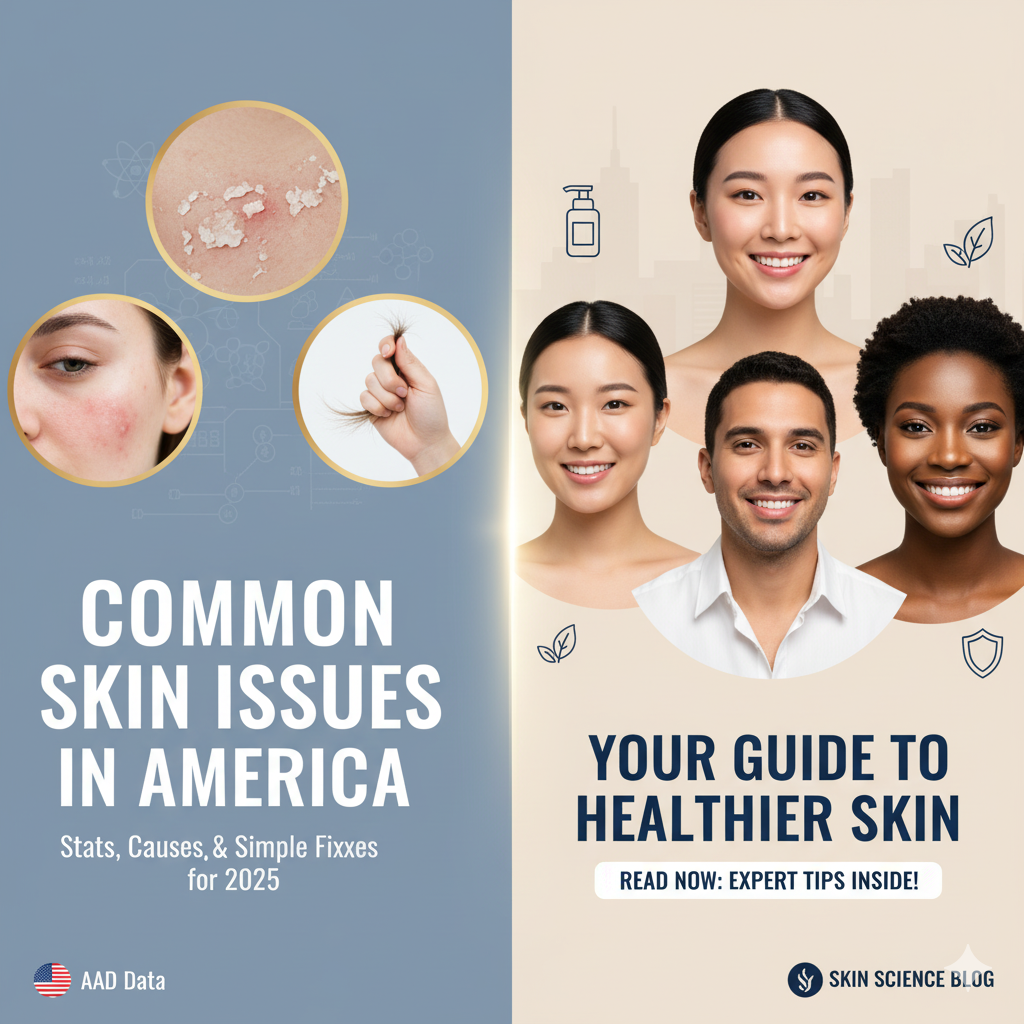
The State of American Skin in 2025
America faces a skin health crisis that goes beyond vanity. As we move through 2025, dermatologists report unprecedented increases in preventable skin conditions driven by lifestyle changes, environmental factors, and widespread misinformation circulating on social media. From rising melanoma rates in young adults to explosion of maskne that never fully disappeared, understanding these issues—and their solutions—has never been more critical.
This isn't about perfect Instagram skin. It's about recognizing the real problems affecting millions of Americans and implementing evidence-based solutions that actually work. Whether you're dealing with persistent acne, unexplained redness, or concerned about skin cancer, this comprehensive guide breaks down the most common skin issues plaguing Americans in 2025, backed by the latest statistics and science.
The Top 10 Skin Issues Affecting Americans in 2025
1. Acne: Still the Most Common Skin Condition
The Statistics:
50 million Americans affected annually
85% of people experience acne between ages 12-24
Adult acne (ages 25+) increased 15% since 2020
Women are 2x more likely than men to have adult acne
Cost to Americans: $3 billion annually in treatments
Mask Residue: Despite reduced universal masking, occupational mask-wearing (healthcare, service industries) continues triggering acne mechanica in 30% of regular mask users.
Stress Epidemic: Chronic stress from economic uncertainty, political division, and social media pressure increases cortisol, which triggers oil glands and inflammation.
Over-Treatment: TikTok skincare trends encouraging aggressive routines (high-percentage acids, multiple actives) compromise barriers, leading to rebound breakouts.
Diet Shifts: Increased ultra-processed food consumption and high-glycemic diets correlate with acne severity.
The Solutions That Work:
For Mild to Moderate Acne:
Salicylic Acid 2%: Oil-soluble BHA that penetrates pores, use 2-3x weekly
Benzoyl Peroxide 2.5-5%: Kills P. acnes bacteria, use as short-contact therapy
Niacinamide 5-10%: Regulates oil production, reduces inflammation
Azelaic Acid 10-20%: Multi-tasker for acne and post-inflammatory marks
Retinoids: Over-the-counter adapalene or prescription tretinoin for persistent cases
Change pillowcases every 2-3 days
Clean phone screens daily with alcohol wipes
Avoid touching face throughout day
Double cleanse nightly to remove all sunscreen and buildup
Manage stress through exercise, meditation, or therapy
2. Melanoma and Skin Cancer: Rising Rates in Young Adults
The Alarming Statistics:
200,000+ new melanoma cases diagnosed annually in the US
Melanoma is the 2nd most common cancer in people aged 15-29
Incidence increased 27% in young women (ages 18-39) since 2015
1 in 5 Americans will develop skin cancer by age 70
Only 39% of Americans report regular sunscreen use
Tanning Bed Legacy: Indoor tanning before age 35 increases melanoma risk by 75%. Past usage still manifesting as skin cancers decades later.
Inadequate Sun Protection: Despite awareness campaigns, consistent daily sunscreen use remains low. Only 14% of men and 30% of women use sunscreen on face daily.
Climate Change: Increasing UV radiation due to ozone depletion and more time spent outdoors during extreme heat events.
Late Detection: Particularly in communities of color where skin cancer education has historically been inadequate.
Prevention is Everything:
Daily Sunscreen Habits:
SPF 30-50 broad-spectrum every morning
¼ teaspoon for face, reapply every 2 hours outdoors
Include ears, neck, hands, and any exposed skin
Wear even on cloudy days and indoors near windows
Seek shade during peak hours (10 AM - 4 PM)
Wear protective clothing and wide-brimmed hats
Avoid tanning beds completely
Never burn—even one blistering sunburn doubles melanoma risk
Full-body skin checks by dermatologist annually
Monthly self-exams using ABCDE method:
Critical: Black patients have 67% 5-year melanoma survival vs. 92% for white patients due to late detection. Everyone needs regular skin checks.
3. Eczema (Atopic Dermatitis): The Inflammatory Epidemic
The Statistics:
31.6 million Americans (10% of population) have eczema
70% experienced onset before age 5
Adult-onset eczema increased 20% in past 5 years
$5.3 billion in direct medical costs annually
40% report moderate to severe symptoms affecting quality of life
Climate Extremes: More frequent temperature fluctuations and humidity changes stress already compromised skin barriers.
Indoor Air Quality: Increased time indoors with dry heated/cooled air, low humidity, and VOCs from furniture and cleaning products.
Hygiene Anxiety: Increased hand washing and sanitizer use during and post-pandemic damaged barriers in susceptible individuals.
Stress: Chronic inflammation from stress hormones triggers and worsens eczema flares.
Managing Eczema in 2025:
Barrier Repair Foundation:
Ceramide-Rich Moisturizers: Apply within 3 minutes of bathing while skin is damp
Fragrance-Free Everything: Fragrances are top eczema triggers
Gentle Cleansers: Cream-based, non-foaming, pH-balanced
Lukewarm (Not Hot) Water: Hot showers strip protective oils
Humidifiers: Maintain 40-50% humidity indoors
Topical Corticosteroids: For flare management (not daily use)
Non-Steroidal Options: Tacrolimus, pimecrolimus for long-term control
Dupilumab (Dupixent): Biologic injection for moderate to severe cases
JAK Inhibitors: Newer oral options showing promising results
Identify and avoid personal triggers (stress, certain fabrics, foods)
Wear soft, breathable cotton clothing
Manage stress actively
Take short, lukewarm showers
Pat dry gently, never rub
4. Rosacea: Underdiagnosed and Misunderstood
The Statistics:
16 million Americans have rosacea
Only 25% received proper diagnosis
Women 3x more likely to develop rosacea than men
Men more likely to develop severe cases (rhinophyma)
90% of cases develop between ages 30-50
Better Awareness: Social media skincare education helping people recognize symptoms.
Mask-Related Triggers: Face coverings exacerbated symptoms in existing sufferers.
Screen Time: Increased screen exposure (heat, blue light) may worsen redness.
Treatment Confusion: Many initially treat it as acne, worsening symptoms.
Identifying Rosacea:
Primary symptoms include:
Persistent facial redness (cheeks, nose, forehead, chin)
Visible blood vessels (telangiectasia)
Acne-like bumps without blackheads
Burning or stinging sensation
Rough, dry texture
Eye irritation (in 50% of cases)
Skincare Approach:
Azelaic Acid 15-20%: Reduces redness and inflammation
Niacinamide 5%: Strengthens barrier, calms inflammation
Centella Asiatica: Natural anti-inflammatory and redness reducer
Gentle, Non-Irritating Products: Avoid fragrances, alcohol, harsh actives
Mineral Sunscreen: Physical blockers less irritating than chemical
Topical: Metronidazole, ivermectin, brimonidine
Oral: Low-dose doxycycline, isotretinoin for severe cases
Procedures: IPL (Intense Pulsed Light), laser for vessels and redness
Hot beverages and spicy foods
Alcohol (especially red wine)
Extreme temperatures
Stress and emotional intensity
Harsh skincare products
Prolonged sun exposure
5. Hyperpigmentation: The Post-Inflammatory Epidemic
The Statistics:
80% of women experience hyperpigmentation by age 40
Post-inflammatory hyperpigmentation (PIH) affects 65% of Black Americans
Melasma affects 5-6 million Americans, 90% are women
Dark spots are the #2 skincare concern after aging
Mask Friction: Created micro-trauma triggering PIH, especially in darker skin tones.
Increased Sun Exposure: Return to outdoor activities post-pandemic without established sun protection habits.
Blue Light: Emerging research shows visible light from screens may trigger melanin production.
DIY Treatments Gone Wrong: At-home chemical peels and micro-needling causing damage and rebound pigmentation.
Types of Hyperpigmentation:
Post-Inflammatory (PIH):
From acne, cuts, irritation, or inflammation
Can affect any skin tone but more persistent in darker skin
Worsens with sun exposure
Hormonal patches, often symmetrical on cheeks/forehead
Triggered by pregnancy, birth control, sun exposure
Difficult to treat, prone to recurrence
Age spots from cumulative sun damage
Appear on face, hands, chest, shoulders
Directly correlated with lifetime UV exposure
Non-Negotiable Foundation: Daily SPF 50 with iron oxides (blocks visible light). Without sunscreen, nothing else works.
Active Ingredients:
Vitamin C 15-20%: Inhibits melanin production, brightens
Niacinamide 5-10%: Reduces melanin transfer to skin cells
Tranexamic Acid 2-5%: Particularly effective for melasma
Retinoids: Increase cell turnover, fade pigmentation
Alpha Arbutin 2%: Tyrosinase inhibitor, gentle brightener
Azelaic Acid 10-20%: Multi-mechanism brightening
Chemical peels (glycolic, TCA)
Laser treatments (Fraxel, PicoSure)
IPL photofacials
Microneedling with serums
Prescription hydroquinone (short-term, supervised use)
6. Premature Aging: The Stress and Screen Effect
The Statistics:
90% of visible skin aging from sun exposure
72% of Americans report seeing aging signs by age 30
Stress-related aging increased 25% since 2020
Blue light exposure: Average American spends 13 hours daily on screens
Chronic Stress: Prolonged cortisol elevation breaks down collagen, impairs repair.
Sleep Deprivation: Average American gets 6.5 hours vs. needed 7-9, reducing skin repair time.
Screen Time: Blue light and posture ("tech neck") contributing to premature aging.
Inconsistent Sun Protection: Weekend warriors getting UV damage without daily prevention.
Pollution: Urban dwellers experiencing 20% more visible aging from particulate matter.
Science-Backed Anti-Aging Essentials:
Prevention (Most Important):
Daily Sunscreen SPF 50: Prevents 80% of visible aging
Antioxidants: Vitamin C, E, ferulic acid for free radical protection
Retinoids: Gold standard for collagen stimulation
Lifestyle: 7-9 hours sleep, stress management, no smoking
Morning: Vitamin C + sunscreen
Evening: Retinoid + peptides
Weekly: Gentle exfoliation (AHAs)
Monthly: Professional treatments (microneedling, peels)
7. Sensitive Skin: The Over-Treatment Backlash
The Statistics:
50-60% of women report having sensitive skin
30-40% of men identify as sensitive
Increased 40% since 2015
Fragrance is the #1 allergen, affecting 1-3% population
TikTok Trends: Aggressive multi-acid routines and high-percentage actives compromising barriers.
Product Overload: Average American uses 12 skincare products daily, increasing reaction risk.
Fragrance Everywhere: Despite awareness, 95% of products still contain fragrance.
Environmental Factors: Pollution, climate extremes, indoor air quality stressing skin.
Sensitive Skin Management:
Simplification:
Gentle Cream Cleanser: No sulfates, fragrance, or harsh surfactants
Barrier Repair Serum: Ceramides, cholesterol, fatty acids
Minimal Moisturizer: Short ingredient list, tested for irritation
Mineral Sunscreen: Zinc oxide only, fragrance-free
Centella asiatica (cica)
Colloidal oatmeal
Panthenol (vitamin B5)
Allantoin
Niacinamide (well-tolerated by most)
Fragrance (synthetic and natural)
Essential oils
Denatured alcohol
Physical scrubs
High-percentage acids until barrier is repaired
8. Contact Dermatitis: The Hidden Allergen Crisis
The Statistics:
Affects 15-20% of population at some point
Cosmetics cause 10% of contact dermatitis cases
Nickel allergy affects 10-15% of women, 1-2% of men
Occupational contact dermatitis costs $1 billion annually
Preservatives: Methylisothiazolinone (MI), formaldehyde releasers
Fragrances: Linalool, limonene, citronellol (found in "natural" products too)
Botanicals: Essential oils, plant extracts causing reactions
Metals: Nickel in jewelry, phone cases, laptop edges
Identifying Contact Dermatitis:
Itchy, red rash
Appears where product was applied
Can develop after months/years of using same product
Patch testing identifies specific allergens
Eliminate suspected product immediately
Switch to fragrance-free, hypoallergenic options
Get patch testing to identify specific allergens
Read ingredient lists religiously
Avoid "natural" marketing—not safer for allergies
9. Keratosis Pilaris: The Misunderstood Bumps
The Statistics:
40% of adults have keratosis pilaris (KP)
50-80% of teenagers affected
Genetic component in 30-50% of cases
More visible in dry climates and winter months
Not:
Acne (no infection)
Allergic reaction
Hygiene issue
Curable (only manageable)
Chemical Exfoliation:
Lactic acid 12% or glycolic acid 10% lotions
Urea 10-40% creams
Salicylic acid 2% for oilier areas
Apply daily after showering
Dry brushing before shower
Exfoliating gloves (not harsh loofahs)
2-3x weekly maximum
Rich, emollient creams
Apply immediately after exfoliating products
CeraVe SA Cream or AmLactin frequently recommended
Picking or scrubbing (worsens inflammation)
Acne treatments
Ignoring it (requires consistent management)
10. Dry Skin and Dehydration: The Barrier Crisis
The Statistics:
40% of Americans report dry skin
Increased 30% in past decade
More prevalent in winter months (affects 75% of population)
Common in all ages but worsens after 40
Climate Control: Year-round heating and AC creating low-humidity environments.
Over-Cleansing: Hand sanitizer culture and excessive washing compromising barriers.
Hot Showers: Stripping natural oils that protect skin.
Aging: Natural decline in oil production and ceramide levels.
Dry Skin vs. Dehydrated Skin:
Dry Skin (Lacks Oil):
Genetic, consistent condition
Rough, flaky texture
Smaller pores
Needs oil-based products
Temporary condition, any skin type
Dull, tired appearance
Increased sensitivity
Needs water-based hydration
Layering Strategy:
Hydrating Toner: Hyaluronic acid, glycerin
Humectant Serum: Draws water into skin
Emollient Moisturizer: Ceramides, fatty acids smooth and soften
Occlusive: Seals everything in (petrolatum, dimethicone)
Shorter, lukewarm showers (not hot)
Apply products to damp skin within 3 minutes of bathing
Use humidifier (40-50% humidity)
Drink adequate water (but won't directly hydrate skin)
Gentle, cream-based cleansers
Prevention: The Common Thread
Across all these conditions, prevention is more effective than treatment:
Universal Prevention Principles:
Daily SPF 30-50: Prevents skin cancer, aging, and hyperpigmentation
Gentle Skincare: Less is often more; avoid over-treatment
Barrier Support: Ceramides, gentle cleansing, adequate moisture
Stress Management: Reduces inflammation across all conditions
Professional Guidance: Early intervention prevents worsening
When to See a Dermatologist
Don't wait for conditions to worsen:
Seek Professional Help If:
Over-the-counter treatments fail after 12 weeks
Condition significantly impacts quality of life
Rapid changes in moles or skin lesions
Severe or painful symptoms
Suspected allergic reactions
Persistent symptoms without clear cause
The Role of Lifestyle in Skin Health
Beyond topical treatments, lifestyle factors profoundly impact skin:
Sleep: 7-9 hours nightly for cellular repair Hydration: 2-3 liters water daily Nutrition: Antioxidant-rich foods, omega-3 fatty acids Exercise: Improves circulation, reduces stress Stress Management: Meditation, therapy, exercise No Smoking: Accelerates aging, impairs healing Limited Alcohol: Dehydrates and inflames skin
The Future: Personalized Skincare and Technology
Advances shaping American skincare in 2025:
AI Diagnosis: Apps using phone cameras to detect skin conditions with increasing accuracy.
Microbiome Research: Understanding skin's bacterial ecosystem leading to probiotic skincare.
Teledermatology: Increased access through virtual consultations.
Personalized Formulations: Custom products based on DNA, environment, and skin analysis.
Wearable Tech: Devices monitoring UV exposure and hydration levels.
These innovations increase access and precision in treating common skin issues.